All-on-4 Dental Implants Cape Town for a Full Smile Restoration
All-on-4 Dental Implants Cape Town for a Full Smile Restoration
Blog Article
Full Arch Dental Implants: The Solution for Complete Tooth Restoration
Full arch dental implants constitute a major breakthrough in restorative dentistry. They provide a lasting solution for people experiencing complete loss of teeth, replacing an entire arch of teeth with a sturdy, operative alternative. This treatment not only improves dental function but also contributes to overall health and aesthetics. However, prospective patients must consider various factors before proceeding. What are the key advantages and processes required in this transformative process?

Is a Complete Arch Dental Implant Solution Right for Your Circumstances?
determine suitability, as they can affect healing
Learning About Full Arch Dental Implants?
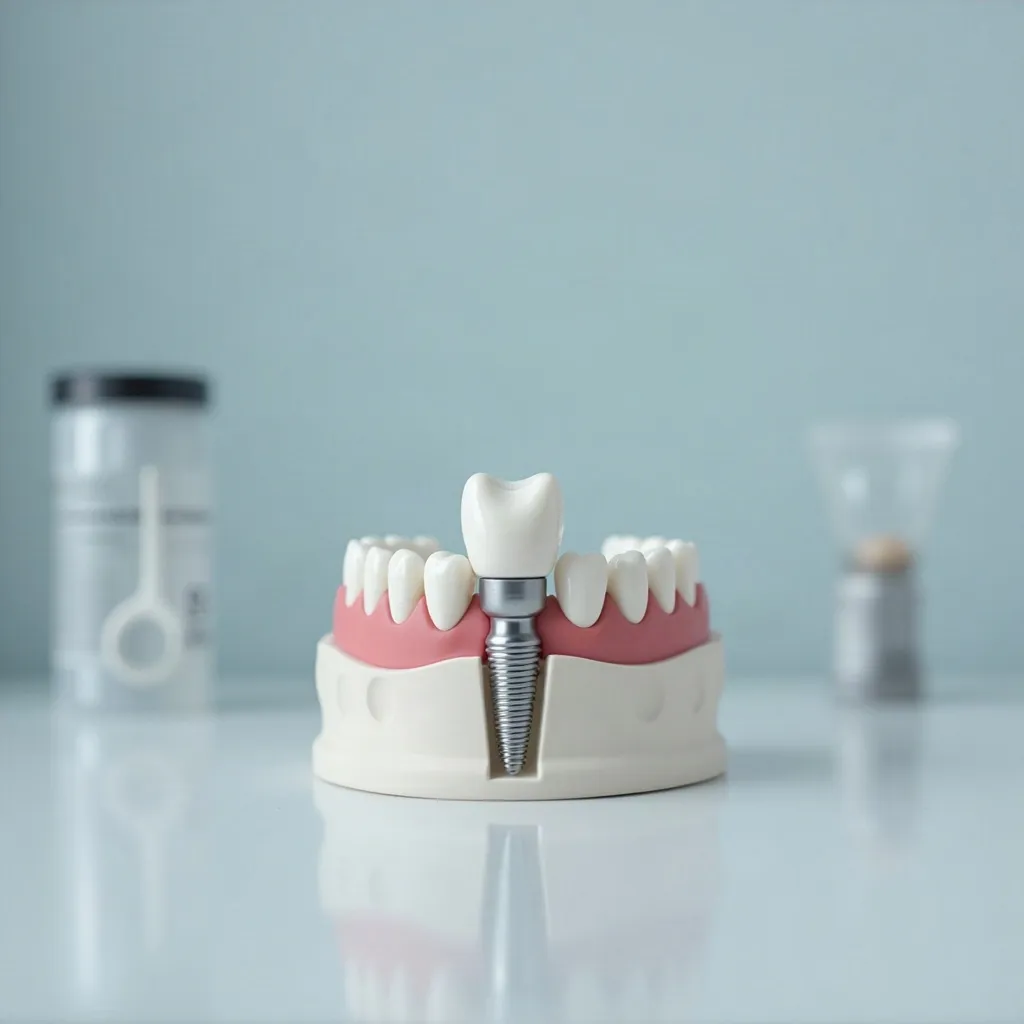
Full arch dental implants deliver a thorough approach for individuals seeking to replace an entire arch of lost teeth. This innovative dental procedure includes the positioning of a set of implants that act as solid anchors for a full replacement arch. Typically, four to six implants are carefully situated within the jawbone to hold a custom-made bridge or denture.
In contrast to conventional dentures, which tend to move and need binding agents, full arch implants provide enhanced security and functionality. The implants integrate with the jawbone, delivering a natural feel and appearance. This option is particularly beneficial for patients who have lost most or all of their teeth and desire a permanent, durable restoration.
Main Strengths of Full Arch Dental Implants for Your Look
The advantages of complete arch dental implants extend far beyond cosmetic improvement; they transform the overall dental experience for patients. One of the primary advantages is improved functionality. These implants return the ability to chew and speak with confidence, allowing individuals to enjoy a wider variety of foods.
Furthermore, complete arch tooth replacements support jawbone health by preventing bone loss, a frequent issue after tooth loss. This preservation of bone structure contributes to a more youthful facial look.
Patients also find the convenience of full arch implants appealing, as they entail less care compared to traditional dentures. There are no adhesives or removal processes involved, facilitating daily routines.
To summarize, the stability and comfort offered by full arch implants remarkably enhance the quality of life, allowing individuals to prioritize social interactions without the apprehension of dental issues. Overall, these implants furnish a holistic solution for those seeking complete tooth restoration.
Instructions to Receiving Full Arch Implants
Getting complete arch dental implants entails a series of carefully planned steps that ensure a positive result. At the outset, a thorough consultation is carried out, during which the oral health professionals assesses the patient's dental condition and specific needs. This encompasses imaging studies, such as radiographs or 3D scans, to evaluate bone density and establish the ideal placement of the implants.
After completing this assessment, a customized treatment plan is developed, outlining the procedure and timeline. The next phase involves the surgical placement of the implants into the jawbone, often using advanced techniques like All-on-4. Once the implants are firmly placed, a healing period allows the bone to integrate with the implants, guaranteeing stability.
After healing is complete, individually crafted prosthetics are designed and fitted, providing functionality and aesthetic appeal. Finally, the dentistry specialists organizes follow-up appointments to observe improvement, making certain the implants serve their purpose effectively.
Maintaining Your Full Arch Dental Implants
Maintaining full arch dental implants necessitates diligent care to assure longevity and peak function. Maintaining proper oral hygiene is key; brushing twice a day with a soft-bristled toothbrush and using non-abrasive toothpaste helps prevent plaque buildup. Flossing or using interdental brushes can efficiently clean the areas between implants. Having regular dental check-ups is vital for monitoring the implants' condition and ensuring any problems are addressed swiftly.
Aside from routine care, patients should avoid hard foods that may damage the prosthetics. Smoking and excessive alcohol consumption can adversely affect the healing timeline and implant effectiveness, making lifestyle modifications valuable. Maintaining hydration and eating a healthy balanced diet aid healthy gums and comprehensive oral hygiene.
Popular Questions Asked Frequently
How Long Do Full Arch Dental Implants Last?
Full arch dental implants last over 10 to 15 years, and with appropriate maintenance, find the facts some endure even longer. Longevity is determined by elements like oral hygiene, bone density, and frequent dental checkups.
Full Arch Dental Implants: Is It Covered by Your Insurance Company?
Full arch implants are sometimes partially covered by insurance, but coverage differs significantly among policies. Individuals should speak with their individual insurance company to understand the amount of assistance for this implant surgery.
Are Complete Arch Tooth Implants Appropriate for Everyone?
Not all individuals are qualified applicants for complete arch dental implants. Factors including overall health, bone density, and periodontal status impact eligibility. A dental expert should evaluate each patient's unique case to ascertain suitability.
What Timeframe Should You Expect for Recovery After the Operation?
The time needed to heal after the procedure usually lasts between a few days to several weeks, depending on individual recovery speeds. Patients frequently have swelling and pain, which typically decreases within a week, allowing progressive return to normal activities.
Do Full Arch Implants Require Special Maintenance Tools?
Full arch implants generally do not demand specific cleaning equipment; however, using soft bristle brushes and mild cleaning products is recommended. Frequent dental appointments and expert cleaning services assure optimal care and durability of the implants.
Report this page